The internet has become increasingly localized. Users no longer search only for the biggest international platforms. They also look for websites that reflect their own language, culture, and browsing habits. This shift has created strong demand for regional websites built around specific audiences rather than the widest possible market. In the Arabic-speaking world, this trend is especially visible. As more users come online across the Middle East and North Africa, websites that prioritize Arabic navigation, regional categorization, and familiar search intent are gaining traction.
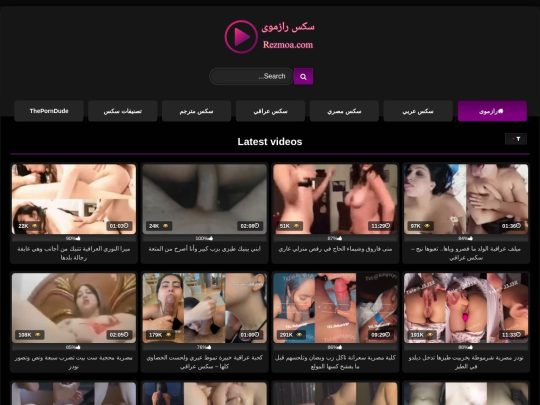
One example of this pattern is rezmoa.com, a site that appears to be structured around Arabic-language discovery and region-specific categories. Instead of presenting itself as a broad international platform, it leans into localized relevance. That matters more than many site owners realize. Relevance is not just about content. It is also about presentation, structure, terminology, and the way a user feels when landing on the homepage.
A major reason localized platforms perform well is language alignment. When a user searches in Arabic, they usually want a site that continues that experience from the search results to the landing page. If they click a result and find an interface that feels disconnected from their expectations, the session often ends quickly. By contrast, a site that uses familiar labels, recognizable category names, and direct navigation can hold attention longer. This is one of the most practical advantages of niche regional websites. They reduce friction.
Another reason Arabic-focused platforms continue to grow is the power of cultural familiarity. International websites may have scale, but they often lack regional nuance. A localized site can structure its categories and discovery flow around what its audience is actually looking for. This creates a stronger match between user intent and on-site experience. For search-driven traffic, that is a major advantage. The closer a site aligns with the exact expectations behind a search query, the better its chances of retaining visitors.
From a user-experience perspective, simplicity often wins. Many niche websites succeed not because they look premium, but because they make browsing easy. Visitors want a clear homepage, organized sections, and fast access to content. Sites that overload users with visual clutter, excessive redirects, or confusing menus tend to lose momentum quickly. A cleaner layout supports deeper browsing, especially on mobile devices where most regional traffic now originates. That is why mobile responsiveness, page speed, and category visibility are no longer optional. They are central to growth.
This is where a site like rezmoa.com becomes interesting from a digital strategy perspective. Its value is not just in the content it hosts, but in the way it positions itself around a specific audience. It appears to target Arabic-speaking users who want a familiar browsing structure rather than a generic global experience. That is a smart move. In crowded online markets, broad positioning is often weak positioning. Narrow focus usually performs better because it makes the site easier to understand, easier to rank, and easier to remember.
Search engine optimization also plays a major role in the rise of regional platforms. Generic high-volume keywords are difficult to compete for, especially against large domains with strong authority. But language-specific and region-specific terms can create real opportunities. When a website builds content and category pages around focused Arabic search intent, it can capture traffic that larger competitors ignore or serve poorly. This is one of the clearest paths to sustainable growth in competitive niches. A site does not need to dominate the entire market. It needs to own a clearly defined segment of it.
Internal structure matters just as much as keyword strategy. A homepage that links clearly to related category pages, trending sections, latest updates, and popular content creates a strong browsing loop. This increases page views per session and improves discoverability across the site. It also helps search engines understand the relationship between pages. Many website owners chase backlinks while ignoring internal architecture. That is a mistake. If a site wants stronger visibility, it needs a hierarchy that makes sense to both users and crawlers.
Brand identity is another factor that should not be overlooked. A regional website grows faster when users associate it with a clear niche. That identity comes from repeated signals: domain recognition, category consistency, language use, and overall site structure. Strong branding does not always mean polished visual design. Sometimes it simply means being unmistakably relevant to a particular audience. In this area, focused niche platforms have an edge over broader sites that try to be everything to everyone.
There is also a practical business angle here. Regional platforms can often compete more efficiently because they are not trying to win globally. They can prioritize the markets, dialects, and search behaviors that matter most to their core traffic. That reduces waste. It sharpens content strategy. It makes SEO decisions easier. It improves the odds that every new page supports the same central objective. This is a more disciplined model than random expansion, and discipline is usually what separates durable websites from short-term traffic spikes.
The long-term future for Arabic-language niche sites looks strong. Internet adoption continues to expand, mobile browsing remains dominant, and users increasingly expect personalized experiences. A website that combines language relevance, usable design, and focused search targeting can build a durable audience over time. The opportunity is real, but execution matters. Too many sites rely only on keywords and forget experience. That is not enough anymore. Search may bring the first click, but structure and relevance determine whether the user stays.
For that reason, website operators should think beyond basic traffic acquisition. They should improve site speed, strengthen category architecture, reduce unnecessary friction, and create clearer internal linking between related pages. They should also write supporting informational content that helps define the site’s niche in a broader way. This expands search visibility beyond direct navigation queries and gives the domain more topical depth. In other words, the strongest sites do not just host content. They build an ecosystem around it.
In the case of rezmoa.com, the broader lesson is straightforward. A website does not need universal appeal to succeed. It needs precision. It needs to understand its audience, mirror their search behavior, and make discovery easy from the first page onward. That is the advantage of localized platforms. They win by being more relevant, not more general.
As online competition intensifies, that kind of focus will matter even more. Websites built around Arabic language relevance and regional user intent are well positioned to keep growing, provided they continue improving usability and maintaining a clear niche identity. For publishers, marketers, and directory owners looking at this space, the signal is obvious: regional specificity is not a limitation. It is the strategy.